


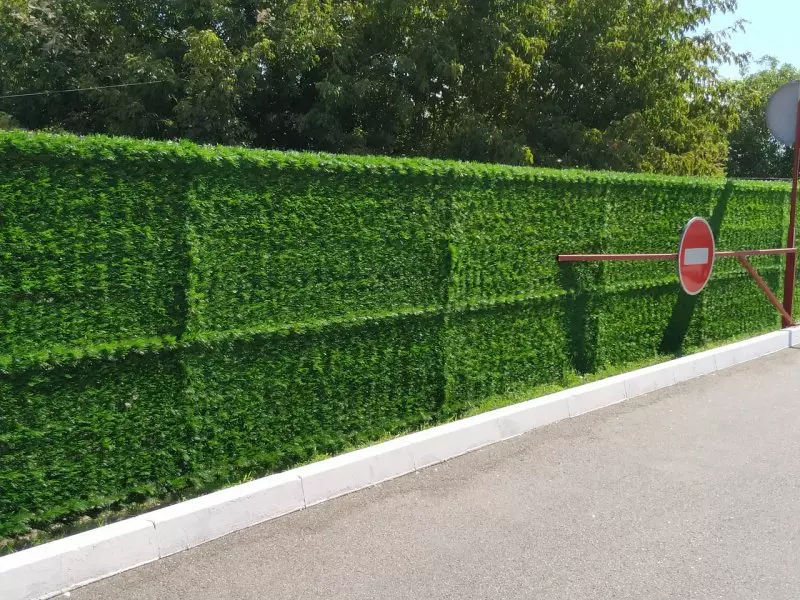
Environmental Effects of Grass Mesh Wire Systems
Grass Mesh Wire Systems
Grass mesh wire systems are structural solutions used to support and guide plants or grass. These systems typically consist of metal or plastic wire meshes and provide support for the growth and development of grass or other plants. Grass mesh wire systems are commonly used in garden and landscape designs and are preferred for achieving an aesthetic appearance.
Environmental Impacts of Grass Mesh Wire Systems
The environmental impacts of grass mesh wire systems can vary depending on factors such as the materials used, production processes, and system maintenance. Below is more detailed information on the environmental impacts of these systems:
Material Selection: The materials used in grass mesh wire systems are a crucial factor in determining their environmental impacts. For example, metal wire meshes may be more durable but could consume more energy and natural resources during production. On the other hand, plastic wire meshes might require less energy to produce but are less durable and more challenging to recycle.
Production Processes: The technologies and methods used during the production of grass mesh wire systems also determine their environmental impacts. More sustainable production methods and energy efficiency can reduce the environmental impacts of these systems.
Maintenance and Usage: The impacts arising during the maintenance and use of grass mesh wire systems are also important. For example, regular cleaning and maintenance of the systems can reduce environmental impacts. Additionally, proper use and timely replacement of the systems are crucial.
Recycling: When the lifespan of grass mesh wire systems ends, recycling or proper disposal is environmentally significant. If the systems cannot be appropriately recycled, they may harm the environment.
Sustainability of Grass Mesh Wire Systems
The sustainability of grass mesh wire systems is directly related to reducing their environmental impacts. Sustainable grass mesh wire systems play a vital role in conserving natural resources, reducing energy consumption, and improving waste management.
Sustainable grass mesh wire systems should include the following elements:
• Environmentally Friendly Materials: The materials used in the systems should be environmentally conscious and recyclable.
• Energy-Efficient Production: Reducing energy consumption and carbon emissions during the production of the systems is critical for sustainability.
• Long-Term Use: Long-lasting use of grass mesh wire systems reduces their environmental impacts.
• Recycling and Reuse: Recycling or reusing the systems when their lifespan ends reduces their environmental impacts.
• Maintenance and Repair: Regular maintenance and repair of the systems reduce their environmental impacts and extend their lifespan.
Harmony of Grass Mesh Wire Systems with Nature
The harmony of grass mesh wire systems with nature is an essential element for reducing environmental impacts. Nature-compatible grass mesh wire systems should have the following characteristics:
• Supporting Biodiversity: Systems should be designed to protect the habitats of plant and animal species.
• No Harm to Ecosystems: Systems should not negatively affect soil, water, and air quality.
• Natural Appearance: Systems should be compatible with natural landscape and appearance.
• Sustainable Material Use: The materials used in the systems should be selected to avoid harming natural resources.
• Energy Efficiency: Energy consumption during the installation, maintenance, and use of the systems should be minimized.
Contributions of Grass Mesh Wire Systems to the Ecosystem
When correctly designed and implemented, grass mesh wire systems can significantly contribute to the ecosystem. Below is more detailed information on these contributions:
• Increasing Biodiversity: Grass mesh wire systems can contribute to increasing biodiversity by expanding the habitats of plant and animal species.
• Improving Soil Quality: Systems can help improve soil quality by supporting soil structure and nutrient cycles.
• Improving Air Quality: Grass mesh wire systems supporting plant growth can contribute to better air quality.
• Preserving the Water Cycle: Systems can help preserve the water cycle by improving water retention and drainage properties.
• Energy Savings: Grass mesh wire systems can reduce the energy consumption of buildings by providing natural shading.
Environmental Benefits of Grass Mesh Wire Systems
The environmental benefits of grass mesh wire systems are as follows:
• Natural Appearance and Aesthetics: Systems add a natural and aesthetic appearance to garden and landscape designs.
• Increasing Biodiversity: Systems contribute to increasing biodiversity by expanding the habitats of plant and animal species.
• Protecting Soil and Water Quality: Systems help protect these resources by supporting soil structure and the water cycle.
• Improving Air Quality: Systems supporting plant growth contribute to better air quality.
• Energy Savings: Systems reduce the energy consumption of buildings by providing natural shading.
• Sustainable Material Use: Using environmentally friendly materials reduces the environmental impacts of the systems.
• Recycling and Reuse: Recycling or reusing the systems when their lifespan ends reduces their environmental impacts.
Conclusion
Grass mesh wire systems are frequently used solutions in garden and landscape designs. However, the environmental impacts of these systems should also be considered. Sustainable, nature-compatible, and ecosystem-contributing grass mesh wire systems can play an essential role in solving environmental problems.
For a closer look at the environmental impacts of grass mesh wire systems and to learn more about sustainable solutions, you can contact our expert landscape architects. We are here to provide you with the most suitable and environmentally friendly solutions.


