


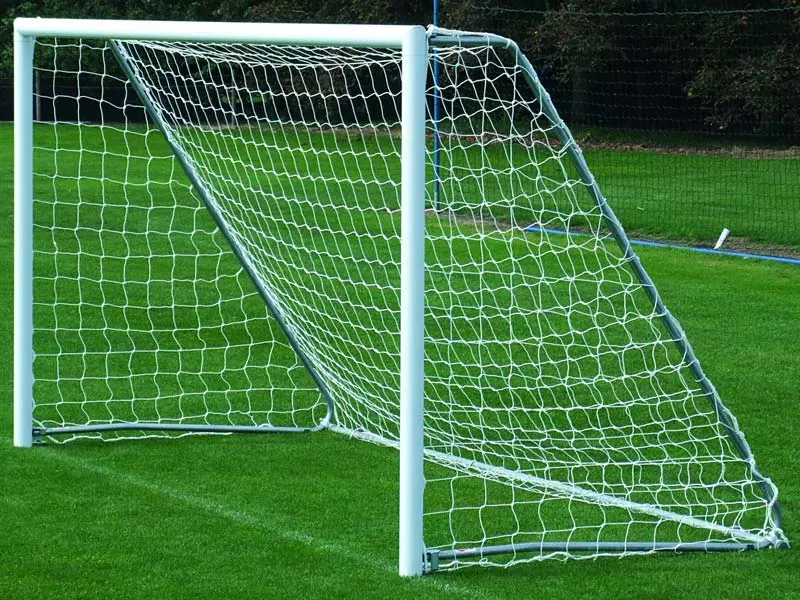
Football Goals: Solid and Safe Design Suggestions
Football, played at both professional and amateur levels, is a sport followed by millions worldwide. One of the key elements determining the outcomes of matches is the football goals. Goals are also critically important for the safety of players and spectators. If goals are not designed to be sturdy and safe, they can lead to serious injuries or even fatalities.
Why Sturdy and Safe Football Goals Are Important
There are several reasons why football goals need to be sturdy and safe:
Player Safety
Goals must be designed to protect players from risks such as collisions, falls, or impacts. A sturdy and safe goal maximizes player safety.
Spectator Safety
Goals must also ensure the safety of spectators during matches. Poorly designed or installed goals can pose a danger to the audience.
Durability
Football goals should be designed and manufactured to withstand years of rigorous use. Sturdy and safe goals will have a long lifespan.
Reliability
In football matches, it's important to have a reliable goal system that goalkeepers and defenders can trust. Reliable goals enhance player performance.
Compliance with Legal Requirements
Football goals must meet relevant legal standards and safety regulations. A sturdy and safe goal design ensures compliance with these requirements.
Materials Used in Football Goals
Using the right materials is crucial to ensuring that football goals are sturdy and safe. Here are some commonly used materials:
Steel
Steel is the primary material for football goals. It is known for its high durability, strength, and corrosion resistance.
Aluminum
Aluminum is a lighter material compared to steel and can be a good option for goals. It offers a balance between strength and weight.
Wood
Wood is a more traditional material that offers an aesthetic appeal. However, it is less durable and safe compared to steel or aluminum.
Plastic
Plastic materials are lightweight and easy to assemble. However, they are less durable in the long term compared to steel or aluminum.
Nets
Goal nets are used to ensure the safety of players and spectators. They are typically made from materials like polypropylene or nylon.
Design and Features of Football Goals
Proper design is essential for ensuring that football goals are sturdy and safe. Here are some important design features:
Dimensions
Football goals should adhere to international standards. For example, FIFA standards specify that the goal dimensions should be 7.32 meters wide and 2.44 meters high.
Structural Durability
Goals should be resilient enough to withstand risks like collisions, falls, or impacts involving players and spectators.
Stability
Goals must have adequate stability to withstand wind, earthquakes, or other external forces. Both fixed and movable goal systems play important roles in this regard.
Aesthetic Appeal
Football goals should also have an aesthetic appearance that complements the stadium and field.
Safety Features
Goals should include various safety features to protect players and spectators, such as corner and edge protectors, net systems, etc.
Ease of Assembly
Goals should be easy and quick to assemble, which is important for both installation and maintenance.
Installation and Setup of Football Goals
The installation and setup of football goals are crucial for creating a sturdy and safe system. Here are some important steps:
Ground Preparation
The ground where the goal system will be installed should be level, solid, and suitable. If necessary, ground stabilization should be done.
Foundation Installation
The foundations of the goal system should be built to a sufficient depth and strength to secure the goal and make it resistant to shocks.
Goal Assembly
Goal parts should be assembled correctly according to the manufacturer’s instructions. All connection points should be tight and secure.
Net System Installation
Goal nets should be installed securely and taut. Proper connectors should be used to prevent damage to the nets.
Final Inspections
After assembly and installation, the goal system should be inspected for sturdiness, stability, and safety. Final adjustments should be made if necessary.
Safety Measures for Football Goals
To ensure that football goals are sturdy and safe, various safety measures must be taken. Here are some important safety measures:
Regular Inspections
Goals should be inspected at regular intervals, and necessary maintenance/repair work should be done.
Protective Equipment
Players, goalkeepers, and spectators should use protective equipment (helmets, knee pads, etc.) to minimize the risk of collisions or impacts.
Barrier Systems
Barrier systems (safety nets, bumpers, etc.) should be used around the goal to reduce the risk of players or spectators colliding with it.
Safety Training
Personnel responsible for goal installation and maintenance should receive safety training.
Compliance with Legal Standards
Football goals should comply with relevant legal standards and safety regulations.


