


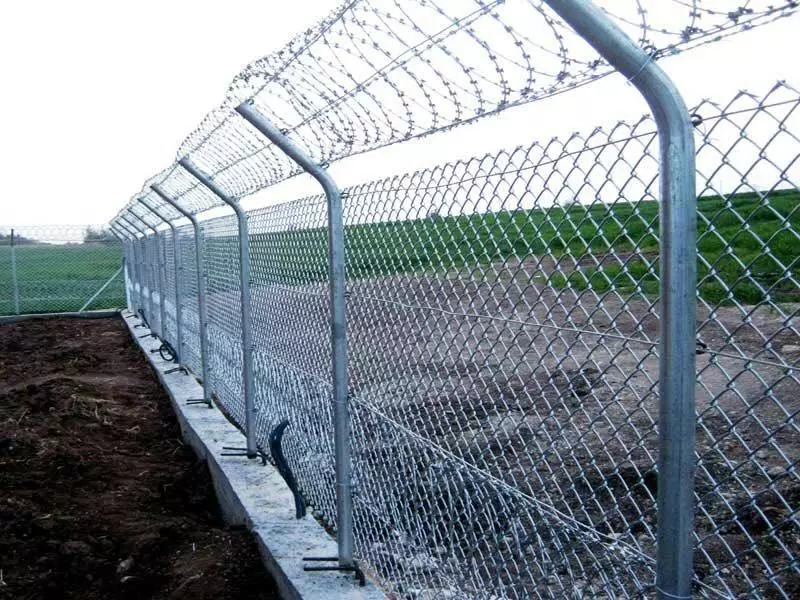
Pipe Post Wire Fences: Installation and Maintenance
Pipe-post wire fences are a widely used type of fencing designed to meet security and boundary needs. These fences consist of galvanized wire mounted on sturdy pipe posts. The strength of the pipe posts and the resilience of the wire mesh make this type of fencing a preferred choice for various applications.
Typically used in gardens, farms, industrial areas, sports facilities, and other security-requiring locations, pipe-post wire fences stand out for their aesthetic appeal and long-lasting construction. Understanding the design, installation, and maintenance of pipe-post wire fences will allow you to maximize their benefits. This article will cover all aspects of pipe-post wire fences.
Advantages of Pipe-Post Wire Fences
Pipe-post wire fences offer several key advantages:
- Durability: The robustness of pipe posts and the strength of galvanized wire make these fences highly resistant to extreme weather conditions and mechanical damage.
- Longevity: With proper installation and maintenance, pipe-post wire fences can last for many years. The galvanized wire provides protection against rust and corrosion.
- Security: These fences provide effective boundary and protection for areas requiring high security. The tightly woven wire prevents unauthorized access.
- Aesthetic Appeal: Pipe-post wire fences have a modern and clean appearance. They come in various colors to blend with the surroundings.
- Easy Installation: Compared to other types of fences, pipe-post wire fences are easier to install. Their modular design speeds up the installation process.
- Low Maintenance: With regular cleaning and maintenance, pipe-post wire fences can be used for many years. Damaged parts are also easy to replace.
How to Install Pipe-Post Wire Fences
The installation of pipe-post wire fences can be done by professional teams or DIY enthusiasts. The process involves the following steps:
- Measurement and Planning: Determine the length and height of the fence line. Plan the spacing of posts, entry points, and corner turns.
- Digging Foundations: Mark the locations for the pipe posts and dig foundations accordingly. The depth and width of the foundations depend on the height of the fence and soil conditions.
- Post Erection: Place the pipe posts into the foundations firmly and ensure they are aligned and stable.
- Wire Mesh Installation: Attach the galvanized wire mesh to the pipe posts. Ensure the wire is taut and even. Use special connectors at corners and transition points.
- Additional Components: Install gates, entry points, and decorative elements as needed.
- Final Inspection and Adjustment: After installation, check the fence for alignment, tension, and overall appearance. Make necessary adjustments.
Proper installation from planning to final adjustments is crucial. Professional installation ensures the best results.
Maintenance and Cleaning of Pipe-Post Wire Fences
Regular maintenance and cleaning are essential for the longevity and functionality of pipe-post wire fences. Here are some tips:
Cleaning:
- Use a mild detergent and water mixture to clean the surface of the fence from dust, leaves, and other debris.
- Wipe all surfaces of the posts and wire mesh with a damp cloth.
- Clean accumulated debris at corners and transition points.
- Avoid using abrasive materials during cleaning.
Inspection and Maintenance:
- Inspect the fence regularly (at least once a year).
- Identify and promptly repair or replace any loose or damaged parts.
- Check the stability of the pipe posts.
- Ensure the wire mesh is taut and even.
- Look for signs of rust, corrosion, or other damage.
Renovation:
- Replace parts showing excessive wear, damage, or rust.
- Applying a new layer of galvanized coating or paint can enhance the fence's appearance and durability.
Regular cleaning and maintenance keep the fence functional and visually appealing for years.
Durability and Lifespan of Pipe-Post Wire Fences
Pipe-post wire fences are known for their high durability and long lifespan. With proper installation, maintenance, and usage, these fences can last between 20 to 30 years.
Factors contributing to durability include:
- Quality of Pipe Posts: Using high-quality, thick-walled pipe posts increases the overall strength of the fence.
- Galvanized Wire Mesh: Galvanized wire offers superior protection against rust and corrosion.
- Installation Quality: Correct installation techniques and securing ensure the fence's longevity.
- Level of Maintenance: Regular cleaning, inspection, and repairs maintain the fence's durability.
- Environmental Conditions: Extreme weather, chemical exposure, or mechanical damage can shorten the fence's lifespan.
With appropriate care, pipe-post wire fences can provide secure boundaries for many years.
Different Applications of Pipe-Post Wire Fences
Pipe-post wire fences are used in various settings, including:
- Gardens and Landscaping: Fencing for gardens, parks, and recreational areas.
- Agriculture and Livestock: Enclosing farms, barns, and pastures.
- Industrial Areas: Enhancing security for factories, warehouses, and other industrial sites.
- Sports Facilities: Fencing for football fields, tennis courts, and other sports areas.
- Public Spaces: Securing schools, hospitals, and public buildings.
- Private Properties: Defining boundaries for villas, residential complexes, and other private properties.
- High-Security Areas: Protecting military facilities, prisons, and cargo depots.
Pipe-post wire fences cater to security, boundary, and aesthetic needs across a wide range of applications. They are particularly preferred for high-durability requirements.


