


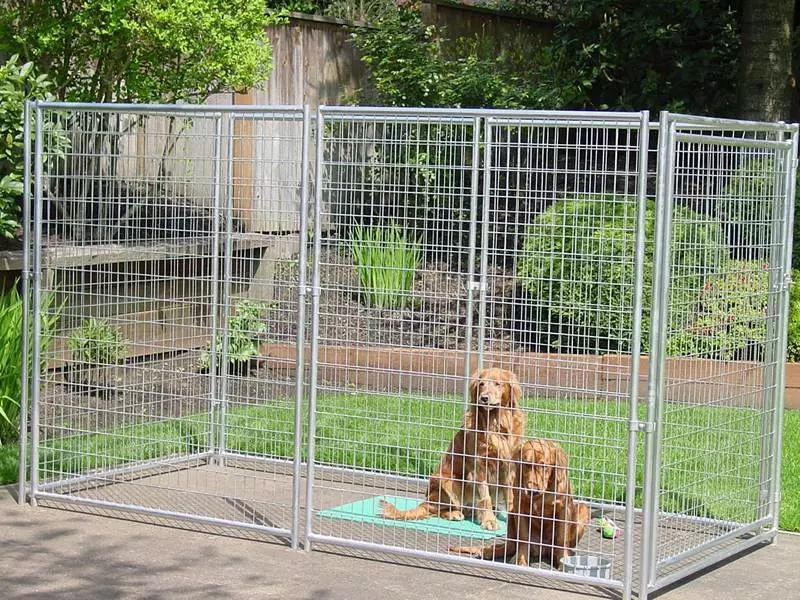
Safety Precautions to be Considered in Animal Shelter Construction
Animal shelters are structures that provide a safe and comfortable living environment for animals. These shelters are built to meet the basic needs of animals, protect them from various dangers, and ensure their care. Animal shelters are commonly found on farms, animal care centers, or rehabilitation facilities.
Shelters are built in different sizes and designs based on the type, number, and needs of the animals. For example, smaller and more sheltered shelters are required for dogs, while larger and more airy spaces are needed for horses. The construction of shelters must consider the physical and psychological well-being of the animals.
The Importance of Animal Shelters
- Safety: Shelters protect animals from natural disasters, adverse weather conditions, predatory animals, and other dangers.
- Health: Proper shelters support the physical and psychological health of animals, reducing the risk of injury and disease.
- Rehabilitation: These facilities provide care and treatment for injured, sick, or abandoned animals, facilitating their healthy return to natural habitats.
Safety Measures
When constructing an animal shelter, various safety measures must be taken to ensure the safety of both animals and workers:
- Structural Safety: The shelter's structure should be designed to securely support the weight and movements of animals. The materials used must be highly durable and resistant to potential damage.
- Fire Safety: The shelter should have fire detection and suppression systems, emergency exits, and adequate ventilation. All workers should be trained in fire safety.
- Electrical Safety: All electrical installations in the shelter should be protected and regularly inspected to ensure that animals cannot access them. Cables and outlets should be safeguarded against damage and short circuits.
- Temperature and Ventilation Control: The shelter should have adequate heating, cooling, and ventilation systems to ensure a comfortable and healthy environment for animals. Extreme temperatures or humidity can adversely affect their health.
- Hygiene and Sanitation: Regular cleaning, disinfection, and waste management are crucial for maintaining animal health and environmental conditions.
- Secure Entry and Exit: The shelter's entrances and exits should be designed to prevent animal escapes and allow safe movement for workers.
- Animal Safety: The interior layout of the shelter should allow for safe interaction between animals and workers. Separate sections should be created for aggressive animals.
- Emergency Planning: A comprehensive emergency plan should be prepared for fires, natural disasters, or other emergencies, and workers should be trained accordingly.
Implementing these safety measures is vital for protecting the health and safety of both animals and workers. A secure shelter environment supports animal welfare and helps prevent accidents.
Materials Used in Shelter Construction
When constructing animal shelters, various materials are used, considering safety, durability, and animal welfare:
- Wood: Wood provides a warm and natural look and is often used in animal shelters. Durable wood types such as pine, oak, or cedar are preferred.
- Steel: Steel is ideal for animal shelters due to its high durability and long lifespan. It is especially used in the outer frames and cage structures.
- Concrete: Concrete is used to reinforce the ground and create a foundation. Concrete walls can also prevent animals from escaping.
- Plastic: Plastic materials are used in the shelter's interior equipment because they are easy to clean, durable, and aesthetic. Feeders and waterers can be made of plastic.
- Insulation Materials: Various insulation materials (mineral wool, foam boards, etc.) are used to ensure the shelter's thermal and sound insulation.
- Safety Equipment: Equipment such as alarm systems, camera systems, and fire extinguishers is used to enhance the shelter's safety.
- Ventilation Systems: Effective ventilation systems (fans, exhaust fans, etc.) are included to ensure animals live in a healthy environment.
The selection of these materials varies based on the type of animals, the size of the shelter, and its function. Compliance with local regulations and environmental conditions is also an important criterion.
Tips for Proper Shelter Construction
To construct a safe and comfortable animal shelter, consider the following tips:
- Planning: Design and size the shelter according to the type, number, and needs of the animals. Future growth and expansion plans should also be considered.
- Location: The shelter should be built in a location that is suitable for the natural habitats of the animals and their interactions with other animals. It should also be appropriate for the surrounding environment and climate conditions.
- Structural Integrity: The foundations, walls, roof, and ceiling of the shelter should be strong and durable, considering the movements and weight of the animals.
- Ventilation and Lighting: The shelter should provide adequate ventilation and natural lighting to ensure animals live in a healthy and comfortable environment.
- Temperature Management: The heating and cooling systems of the shelter should be adjusted according to the needs of the animals. Extreme temperatures or cold can negatively impact animal welfare.
- Hygiene and Sanitation: Regular cleaning, disinfection, and waste management are crucial for maintaining animal health and environmental conditions.
- Safety Measures: The shelter's safety must be ensured for both animals and workers. This includes fire safety, electrical safety, entry and exit controls, and emergency planning.
- Aesthetics and Comfort: The design of the shelter should also support the psychological well-being of the animals. Natural materials, appropriate lighting, and spacious living areas contribute to a stress-free environment.
Protective Measures
To ensure the safety of the animal shelter, the following protective measures should be implemented:
- Secure Fences and Barriers: The shelter's perimeter should be enclosed with high and durable fences or barriers to prevent animals from escaping.
- Secure Doors and Passages: The shelter's entry and exit doors should be designed to prevent animal escapes and ensure safe movement for workers.
- Security Cameras and Alarm Systems: Install camera systems and alarm systems to enhance the shelter's security. These systems can be used to prevent animal escapes and detect potential security breaches.
- Emergency Planning: Prepare comprehensive emergency plans for fires, natural disasters, or other emergencies, and train workers accordingly.
- Personnel Training: All workers should receive regular training on animal behavior, safety protocols, and emergency response.
- Regular Maintenance and Inspection: Regularly inspect and maintain all components of the shelter (fences, doors, electrical systems, etc.).
- Visitor Controls: Ensure visitors comply with safety rules and restrict visitor access if necessary.
Professional Help in Shelter Construction
Constructing an animal shelter is a complex and technical process. Therefore, seeking professional help is crucial for the successful completion of the project:
- Experienced Team: Work with architects, engineers, and animal care experts specialized in animal shelters.
- Comprehensive Planning: Prepare a detailed plan for the design, construction, and operation of the shelter.
- Local Regulations: Ensure the shelter construction complies with relevant local regulations and standards.
- Cost Management: Properly manage the costs as shelter construction requires a significant investment.
- Operation and Maintenance: After the shelter's completion, the professional team can guide you on operation and maintenance, including animal health, staff training, cleaning, and sanitation.
Seeking professional help ensures the successful completion of the animal shelter project. The expertise and experience of a professional team will help create a safe, efficient, and animal-friendly shelter.
Animal shelters are vital for ensuring the health and safety of animals. Proper construction and implementation of safety measures are essential to support animal welfare and prevent potential accidents.
In this article, we discussed the critical safety measures to consider when constructing an animal shelter. We covered important aspects such as structural safety, fire safety, electrical safety, temperature and ventilation control, hygiene and sanitation. Additionally, we provided tips for proper shelter construction and highlighted the importance of protective measures.
Professional help is also crucial in animal shelter projects. Experienced architects, engineers, and animal care experts can contribute to the project's success.
Ensuring your animal shelter is built safely and comfortably is important for animal welfare. Professional support increases the project's success and ensures animal welfare.
Animal shelters are essential for improving the quality of life for animals and protecting them. Implementing safety measures and proper construction are critical steps to support animal welfare and prevent accidents.


